

Sight is one of our most precious senses. Yet, with age, it gradually weakens, often silently. A recent OpinionWay survey conducted for Asnav (National Association for Vision Improvement), published in February 2026, paints an alarming picture: more than 2 million seniors suffer from a loss of autonomy directly linked to inadequately treated visual disorders. This figure is striking and should prompt us all to take care of our visual health long before the first problems appear.
A massive and largely underestimated phenomenon
France currently has nearly 15 million people aged 65 and over. Among them, 14% state that their degraded vision prevents them from leading a normal life. Everyday activities, such as going down stairs, watching television, or reading a message on their phone, become sources of difficulty, even danger.
What is striking in these figures is the gap between the reality of visual impairments and effective care:
- Only one third of seniors consult an eye care professional before the onset of symptoms.
- A quarter feel no need to consult more regularly.
- 86% of affected seniors do not benefit from any additional assistance to their optical correction, even though solutions exist.
This fatalism, "it's old age, there's nothing we can do," is nevertheless a major obstacle to maintaining autonomy.

What visual impairments most affect seniors?
Presbyopia: the first signal not to ignore
Presbyopia is undoubtedly the most common disorder from the age of 40-45. It results from a progressive loss of elasticity of the lens, which can no longer focus on nearby objects. Reading text, consulting a prescription, threading a needle… these everyday actions become blurry and tiring.
Presbyopia is not a disease but a natural evolution of the eye. It is effectively corrected with suitable glasses. However, many presbyopes delay consultation, pushing off visual discomfort until it becomes truly disabling.Eye pathologies to monitor after age 65
Beyond presbyopia, other eye conditions progress with age and can have severe consequences if not detected in time:
- Cataracts: opacification of the lens, which progressively blurs vision. It is now operable with excellent results.
- AMD (Age-related Macular Degeneration): it impairs central vision, making reading, recognizing faces, and driving difficult. It is the leading cause of low vision after age 50 in France.
- Glaucoma: elevated intraocular pressure that progressively destroys the optic nerve. Often asymptomatic at first, it is detected during regular ophthalmological examinations.
- Reduced contrast sensitivity and hypersensitivity to light: concern 36% and 77% of seniors respectively, according to the Asnav survey.
These pathologies must be detected early to be treated and stabilized.
Very real consequences on daily life
When visual impairments are not properly managed, the repercussions extend far beyond mere discomfort:
- Risks of falls and domestic accidents, particularly on stairs or at night
- Driving difficulties: 68% of seniors report being bothered when driving at night
- Social isolation: no longer seeing faces clearly, no longer being able to read, losing self-confidence…
- Cognitive decline: studies show a link between uncorrected poor visual health and accelerated decline in mental faculties
- Depression and loss of self-esteem, often silent but very real
Vision loss is not just a matter of comfort. It is a matter of autonomy, safety, and quality of life.
Why do so many seniors give up on consulting?
Several factors explain this lack of care:
- Fatalism: accepting vision decline as an inevitable consequence of aging
- Lack of knowledge of available solutions: medical interventions, adapted optical aids, orthoptic support, home modifications…
- Long appointment waiting times for ophthalmologists, sometimes lengthy
- Perceived cost, although aid and reimbursements exist
However, as Véronique Morin, orthoptist and optician, scientific director of Asnav, reminds us: "Even in the absence of curative treatment, solutions exist." Resignation is never an appropriate response.
Good habits to preserve your visual autonomy
Taking care of your eyes means taking care of your independence. Here are some essential habits:
- Consult an ophthalmologist regularly, ideally once a year after age 60, even without apparent symptoms
- Do not ignore the first signs: visual fatigue, headaches, blurred vision, increased sensitivity to light
- Wear appropriate optical correction and have it checked regularly; unsuitable correction can unnecessarily strain your eyes
- Protect your eyes from UV rays with quality tinted lenses, especially outdoors
- Adopt an eye-healthy diet: green vegetables, fatty fish, red fruits, rich in antioxidants (lutein, zeaxanthin, omega-3)
- Arrange your environment: good home lighting reduces visual fatigue and the risk of falls
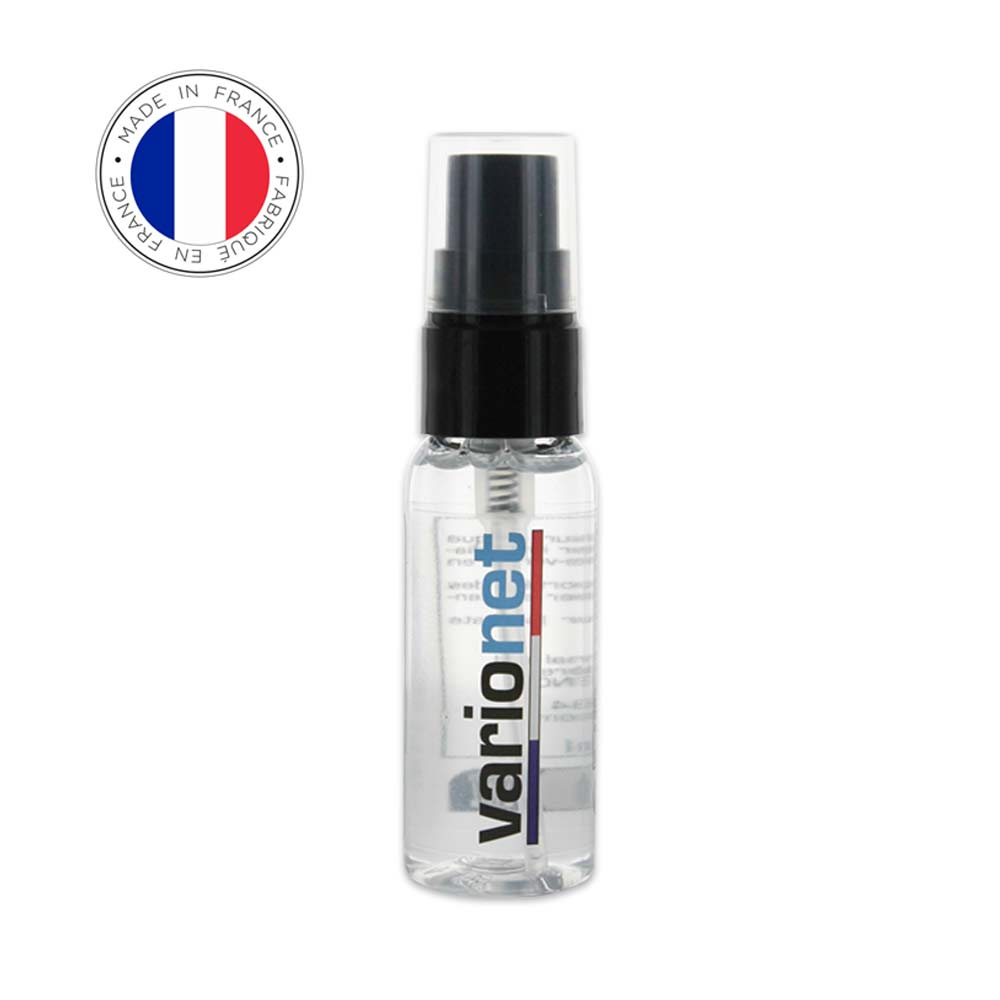
On varionet.com, you will also find resources and visual protection equipment to support your daily life, whatever your situation: reading glasses, clip-on glasses...
In summary
Visual impairments in seniors are not inevitable. They can be detected, corrected, and in many cases, their impact on autonomy can be significantly reduced. The key: consult early, get informed, and never trivialize visual discomfort.
Your eyesight deserves your full attention. So, when was your last eye exam?
Also read on the Varionet blog
- Reasons, causes, and solutions for presbyopia
- The Forties: a key moment
- The difference between hyperopia and presbyopia explained
- When to change your reading glasses: the unmistakable signs
Sources: OpinionWay survey for Asnav, February 2026 — La Revue des Opticiens, April 2026 — Silver Alliance — Acuité, 2026